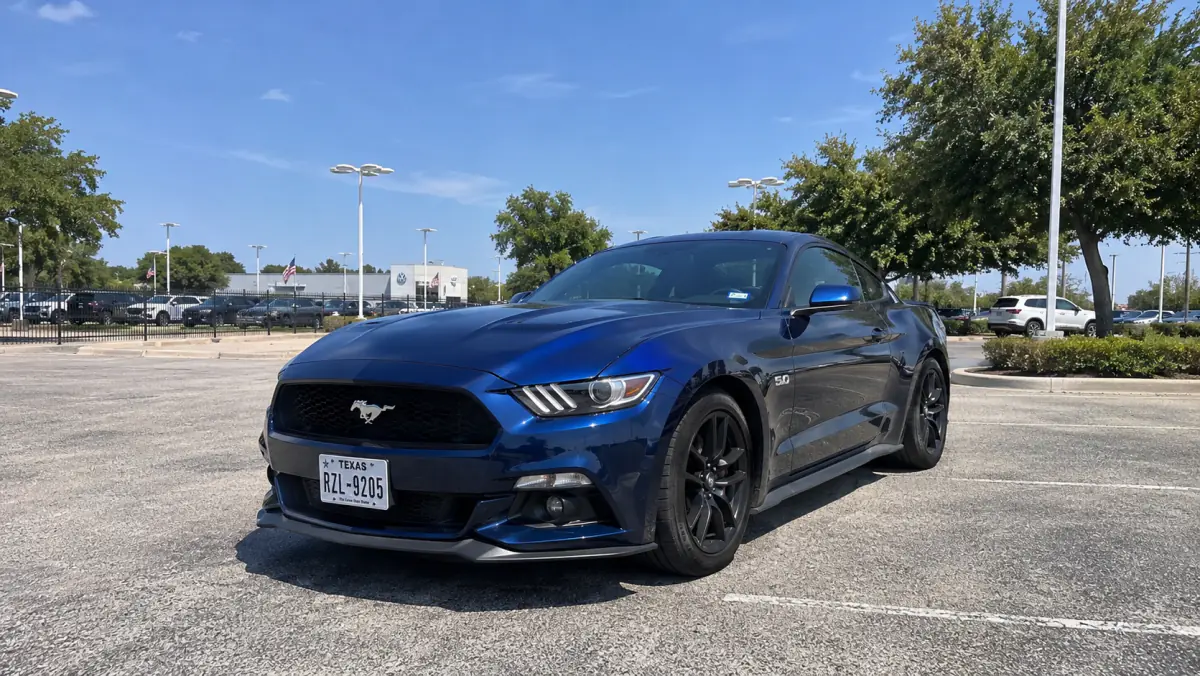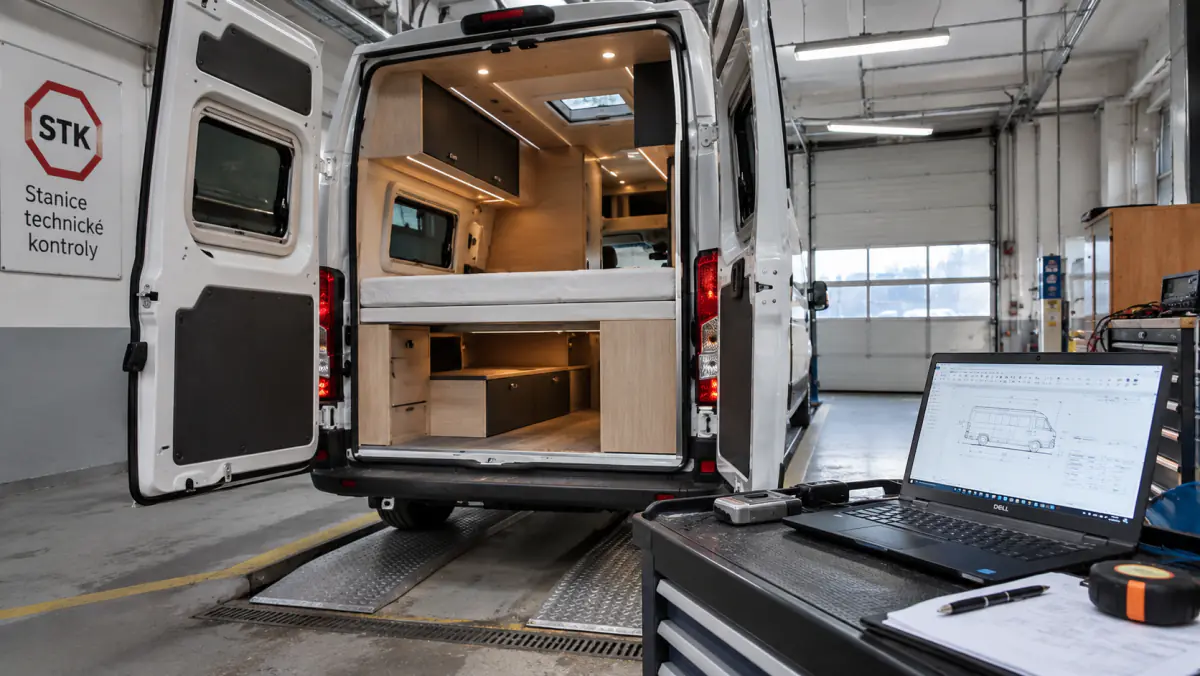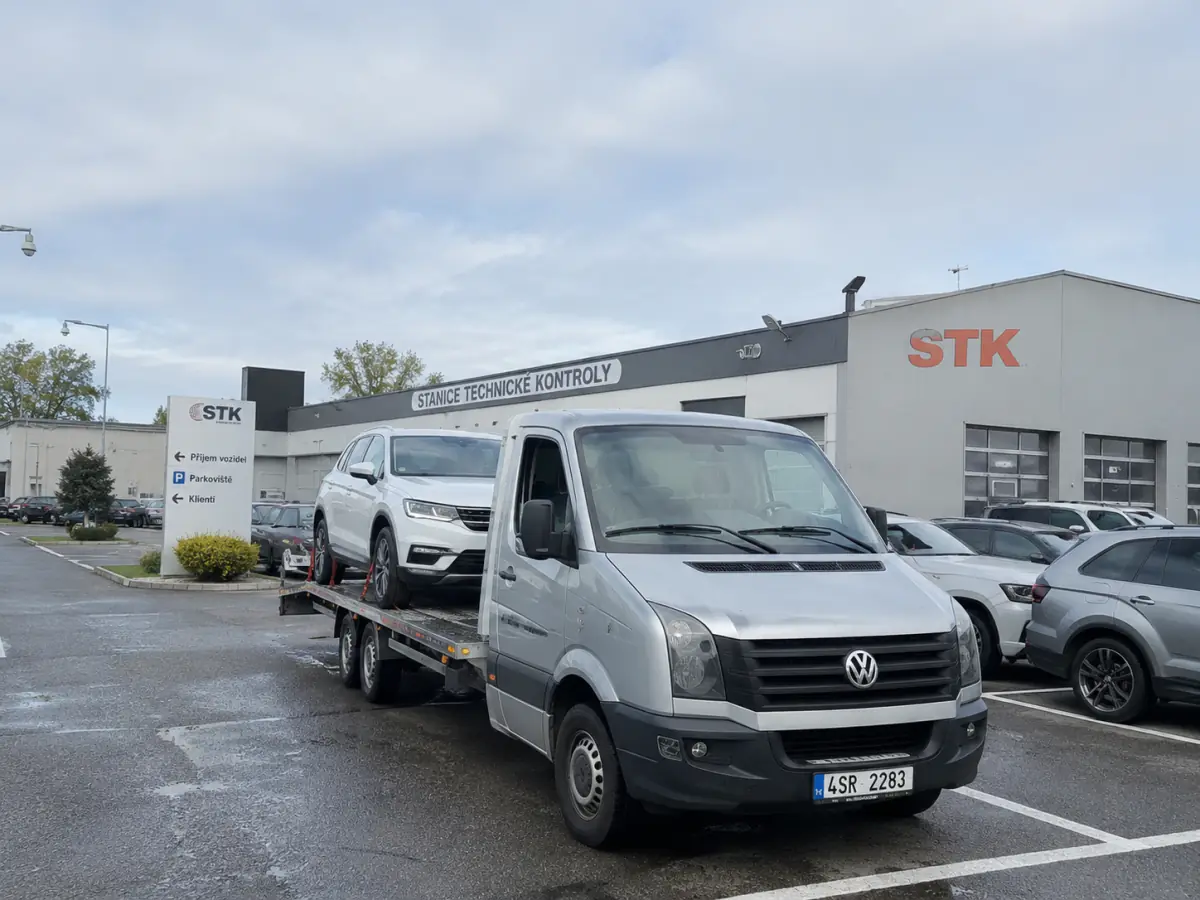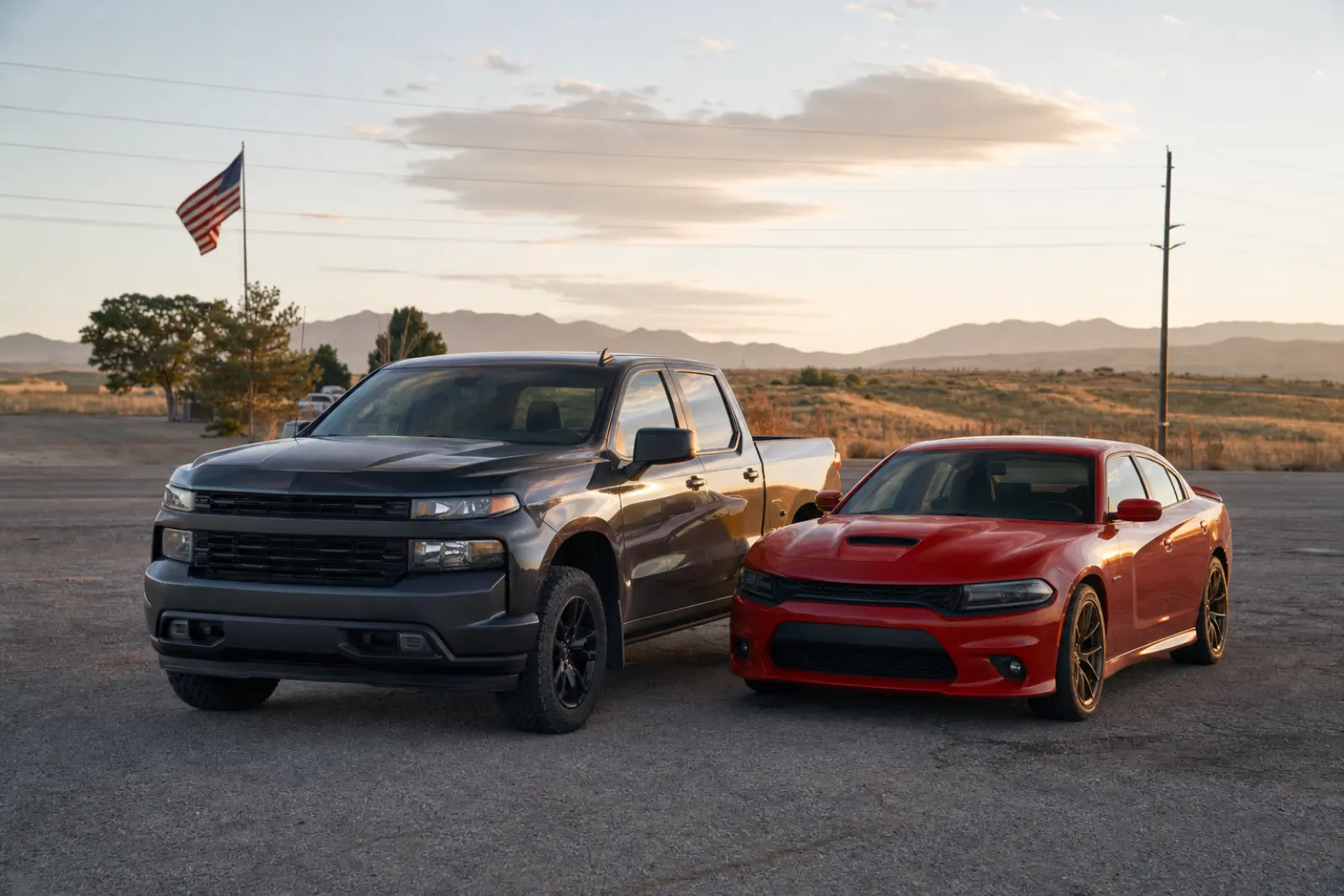
American cars attract buyers with their price, equipment and engines you cannot get in Europe. But the auction price is only the start. Before the car gets Czech plates, you add shipping, customs duty, VAT, technical approval and modifications. Here is what to budget for.
What makes up the total price
- the price of the car, including auction or dealer fees,
- shipping from the US to a European port and on to the Czech Republic, including transport insurance,
- customs duty and VAT on imports from outside the EU,
- technical approval (homologation) for use in the Czech Republic and any modifications,
- technical inspection (STK), emissions test, registration check, compulsory insurance and administrative fees.
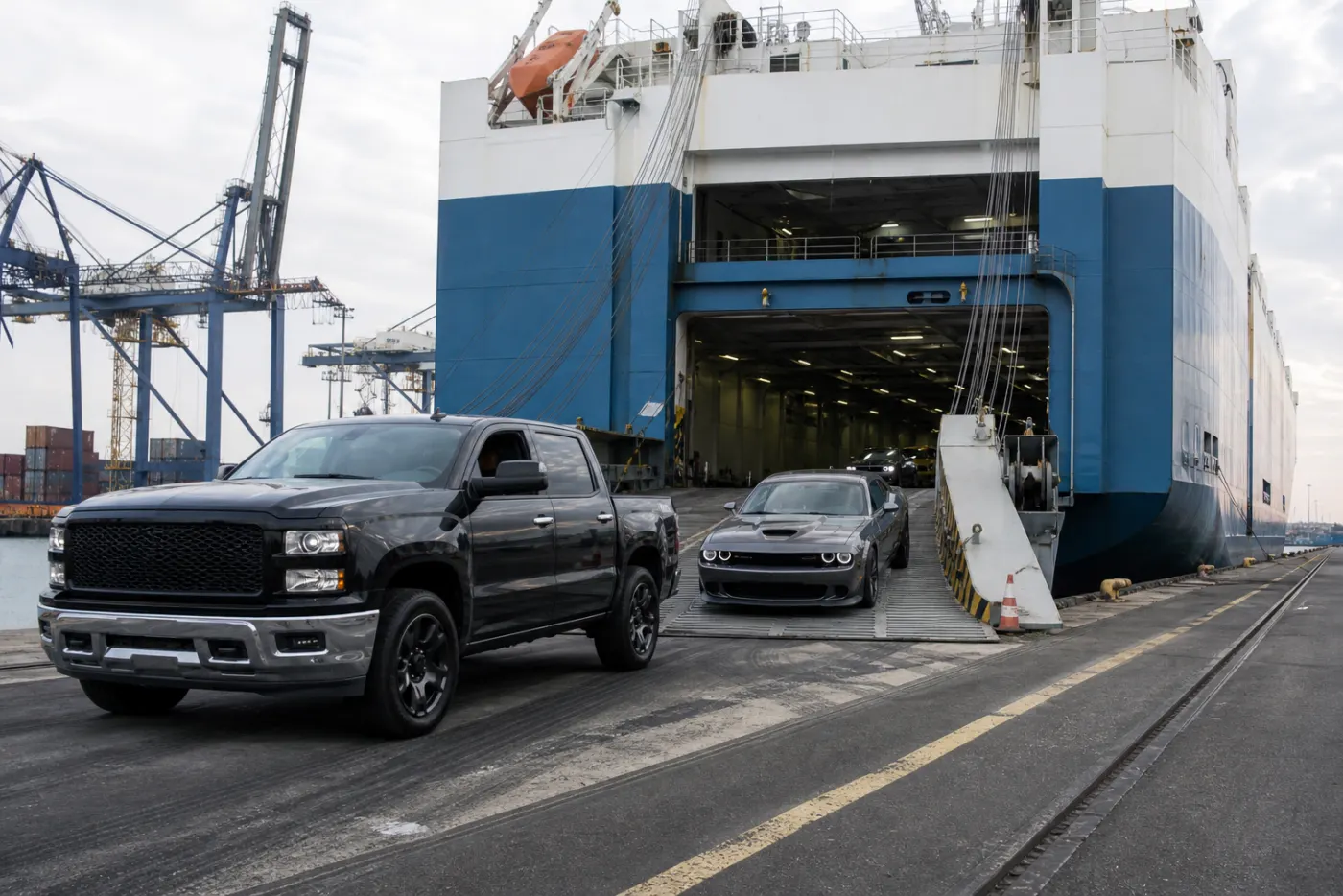
Duty and VAT: a simple example
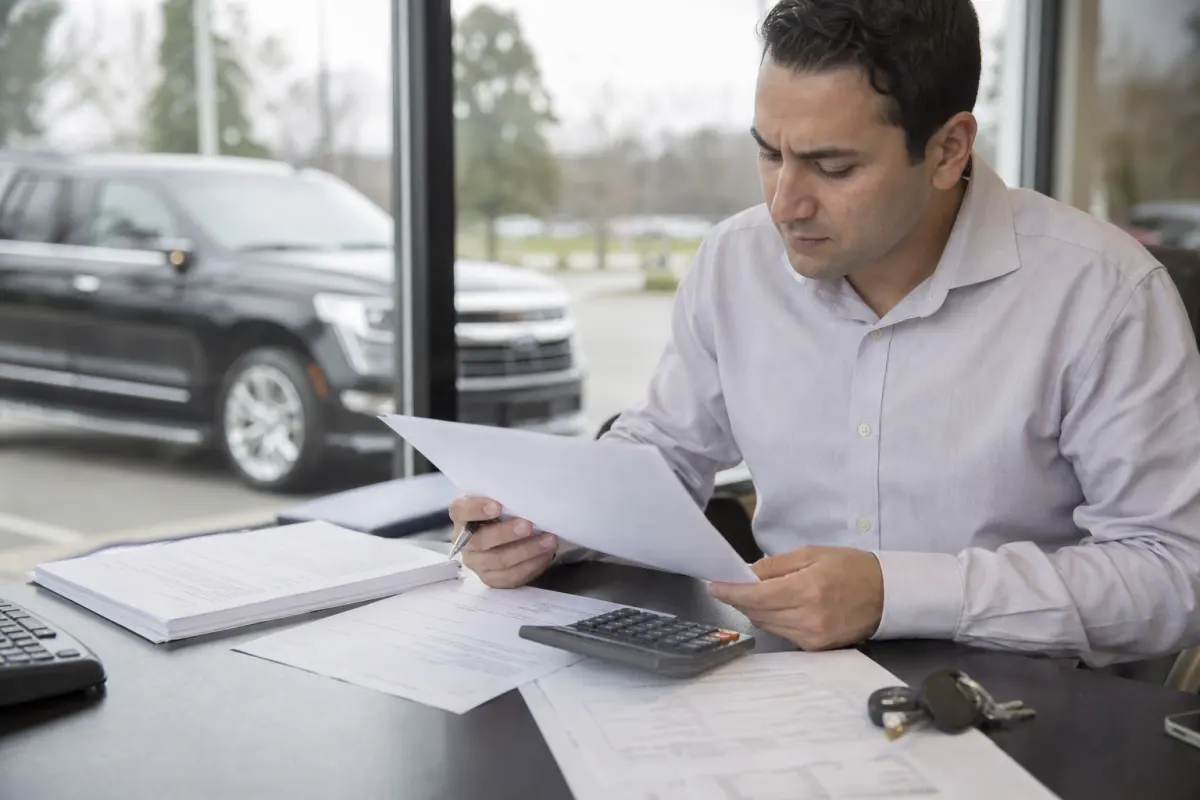
For passenger cars from the US you usually pay 10% customs duty and 21% VAT. Duty is calculated on the customs value: the price of the car plus shipping and insurance up to the EU border. VAT is then calculated on the customs value plus duty.
Example with a customs value of CZK 500,000:
- duty 10%: CZK 50,000,
- VAT 21% on CZK 550,000: CZK 115,500,
- total duty and tax: approximately CZK 165,500.
The figures are illustrative. The customs authority sets the exact rates and customs value based on the documents for the car, so have them calculated before you buy.
Why a US car needs approval
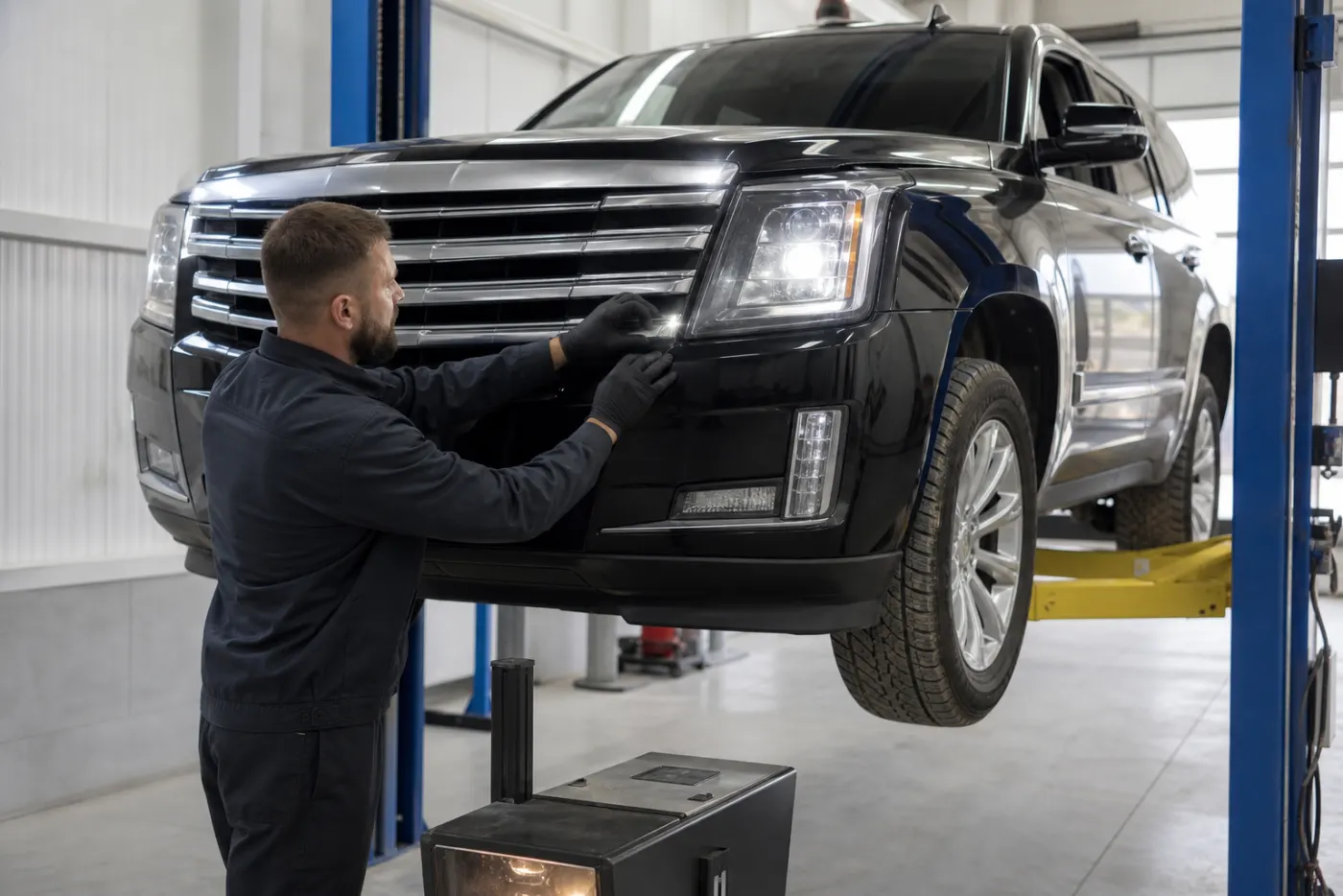
European cars have a certificate of conformity (COC) that the authorities use to register them. US cars do not have one because they are built to different regulations. That is why they need individual vehicle approval (often called homologation). A technical service checks whether the car meets Czech and EU requirements.
The usual issues are:
- lighting (rear indicators, fog lamp, beam height and direction),
- a speedometer in km/h,
- emissions and noise,
- safety features and vehicle markings,
- for some models, further changes depending on the vehicle type.
The process from purchase to plates
- Assess the specific car before buying: can it be approved and what will the modifications cost.
- Purchase and shipping, customs clearance, payment of duty and VAT.
- Technical description and individual vehicle approval.
- Modifications required for approval.
- Technical inspection (STK), emissions test and registration check.
- Compulsory insurance, entry in the vehicle register and Czech plates.
Where importers lose money most often
- buying without advice. A car with a poor history or heavy modifications can be hard to approve.
- incomplete documents. Without a title and invoice, or with wrong data, customs clearance gets delayed.
- underestimated modifications. The price of lights, a speedometer and other parts is often missing from the calculation.
- damage or a hidden condition on auction cars. Photos do not always show everything.
How we can help
We assess the car before you buy, help with shipping, customs, approval, inspection and insurance, and arrange entry in the register with Czech plates. Details are on the pages Register a US car in the Czech Republic and Vehicle homologation. Write or call us and we will give you an estimated price and timeline for your specific car.
The information is indicative and may change. We always confirm current rates and requirements when processing your enquiry.