Why import a car from Germany
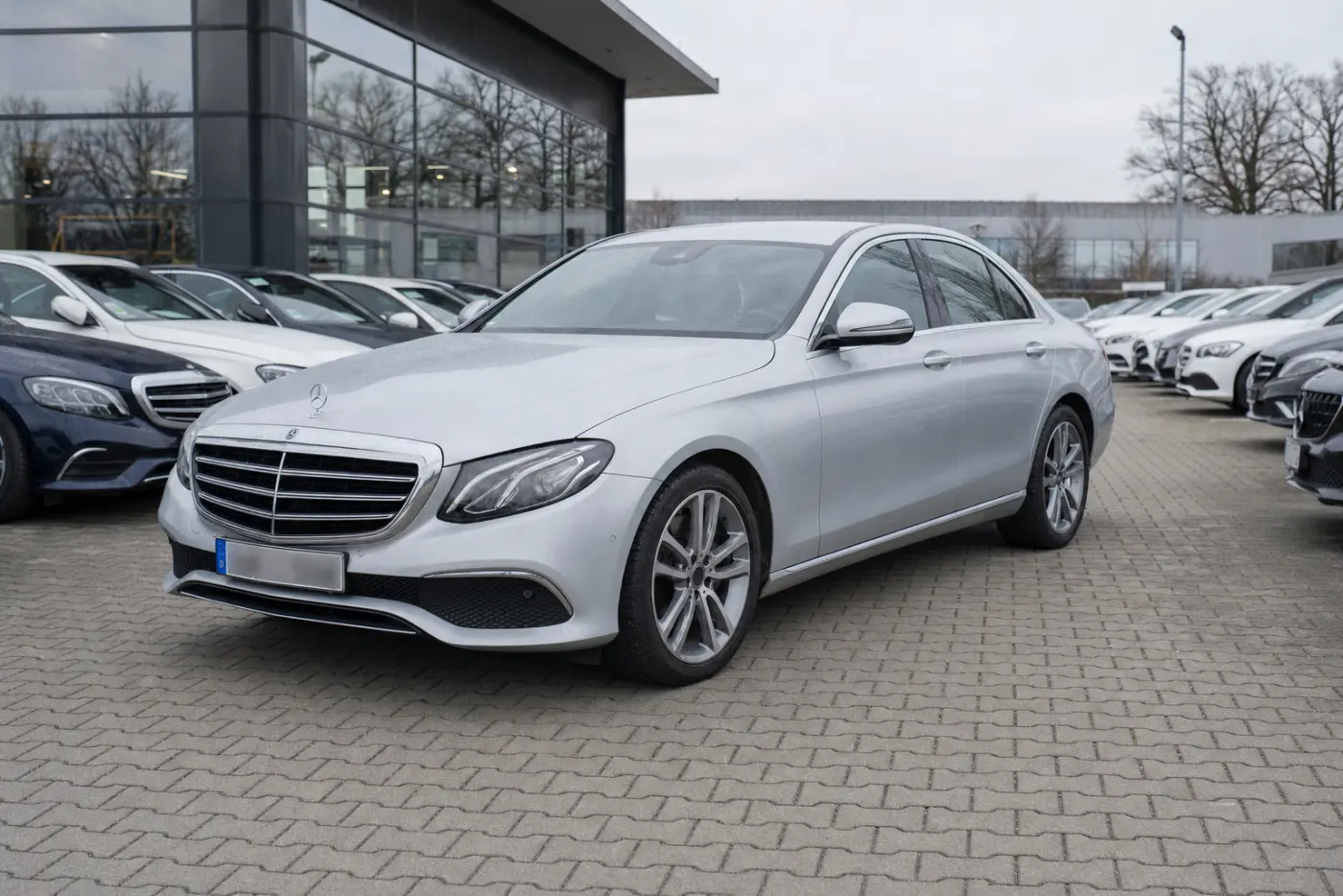
Germany is the largest car market in Europe and the choice of used cars is huge: from ordinary family estates through premium brands to well-equipped SUVs. The cars are often well maintained, with a full service history, and at prices that are hard to find in Czechia. Because Germany is in the EU, no customs duty is paid on import and the border is not an obstacle.
Importing still has its rules. The car must be properly deregistered in Germany, brought in legally, pass a technical inspection and a registration inspection, and only then is it entered in the Czech vehicle register. Anyone doing it for the first time can easily run into a missing document or an appointment that drags on for weeks. That is why it is better to have everything under control from the start.
What to watch out for before buying a car in Germany
Most problems with imported cars start before the purchase. Before you send a deposit, check the following:
- VIN and history: the VIN in the listing, in the documents and on the car must match; find out about accidents, the number of owners and servicing.
- Mileage: compare the odometer reading with the service book, the technical inspection reports (HU/TÜV) and the condition of the interior; wound-back mileage is a common risk.
- Zulassungsbescheinigung Part II (the large registration certificate): the seller must have the original and it must not show a lien or other restriction.
- Seller: distinguish between a private person and a dealer (warranty, documents and VAT differ) and verify their identity and address.
- Payment and contract: do not pay a large deposit to an unknown seller and ask for a written purchase contract with the car details and condition.
- Equipment and specification: check that the car is in European specification and matches the listing, including any modifications or tuning.
Our pre-purchase check costs a fraction of the price of a mistake. Send us a link to the listing (for example from mobile.de or AutoScout24) or the VIN and we will tell you what needs to be checked.
The documents you will need
The exact list depends on the car and the seller, but you usually need:
- the German Zulassungsbescheinigung Part I (Fahrzeugschein) and Part II (Fahrzeugbrief)
- the purchase contract and proof of payment; an invoice if you buy from a dealer
- the COC (Übereinstimmungsbescheinigung) if one was issued for the car, or a duplicate from the manufacturer
- the last technical inspection report (HU/TÜV) and the service book, if they exist
- the buyer's ID and a power of attorney if we act on your behalf
- proof of compulsory liability insurance and the report of the technical and registration inspection in the Czech Republic
A missing document is the most common reason for delays. If something is missing, we tell you in advance and advise how to solve it before the car is moved.
Deregistration in Germany and transporting the car to Czechia
Before transport the car has to be deregistered from the German register. The transfer itself is usually handled in one of two ways: short-term plates (Kurzzeitkennzeichen), which are issued for a few days, or export plates (Ausfuhrkennzeichen) with insurance. Which one to choose depends on the car, the date and the distance, and we always check the current conditions.
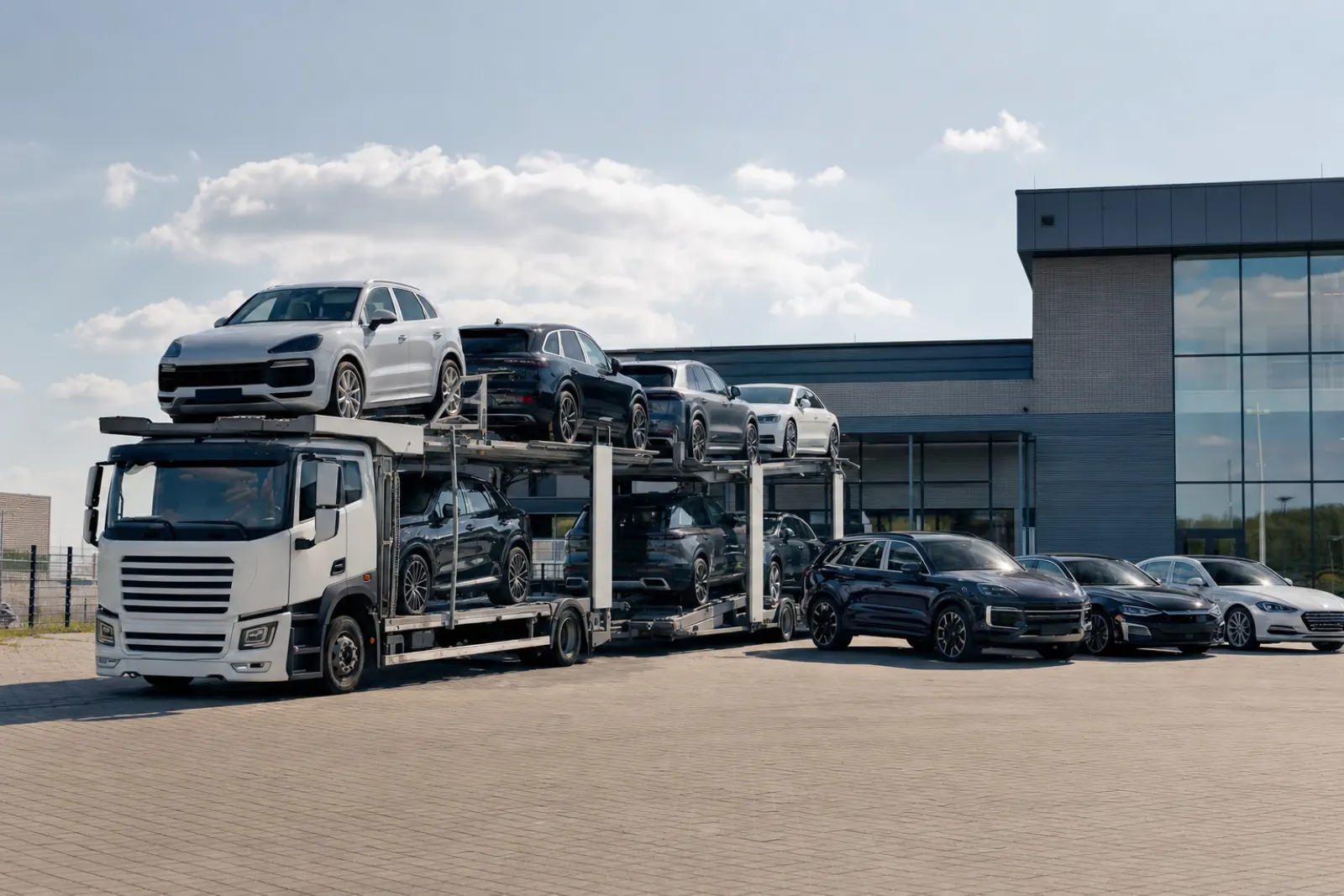
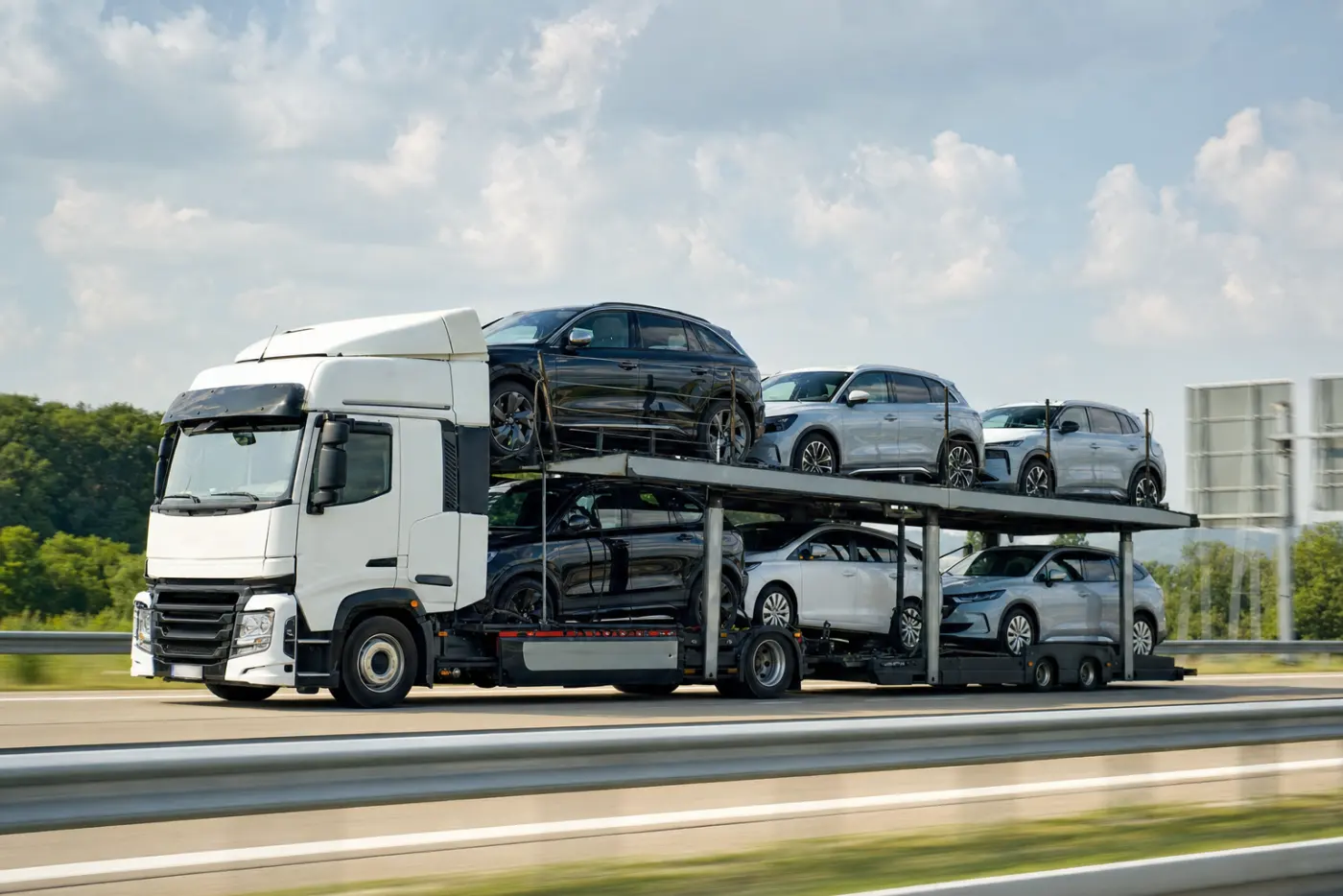
If you prefer not to drive yourself, we bring the car on our own car transporter. You do not have to deal with German plates, insurance for the trip or the risk of driving an unfamiliar car.
VAT, customs and fees when importing from Germany
No customs duty is paid when importing from Germany, because it is trade within the EU. VAT depends on who you buy the car from and how old it is. For used cars bought from a private person VAT is usually not an issue; for cars bought from a dealer the price includes either German VAT or a special scheme for second-hand goods applies. For almost-new cars (the law speaks of new means of transport, roughly up to 6 months from first use or up to 6,000 km) VAT is handled differently and may have to be paid in the Czech Republic.
Besides the price of the car, count on the official administrative fees, the fee for the technical and registration inspection, insurance and any transport. We prepare an indicative budget before you buy.
Technical approval: COC and German cars
Most cars from Germany are in European specification and have a certificate of conformity (COC), which makes registration in the Czech Republic straightforward. If the COC is missing, it can usually be requested from the manufacturer or importer, sometimes for a fee.
It is more complicated with modified cars, tuning or cars originally sold outside the EU. In such cases an individual approval may be needed. We can help with that: see our homologation and tuning and vehicle modifications services.
Registration in the Czech Republic: MOT, registration inspection and plates
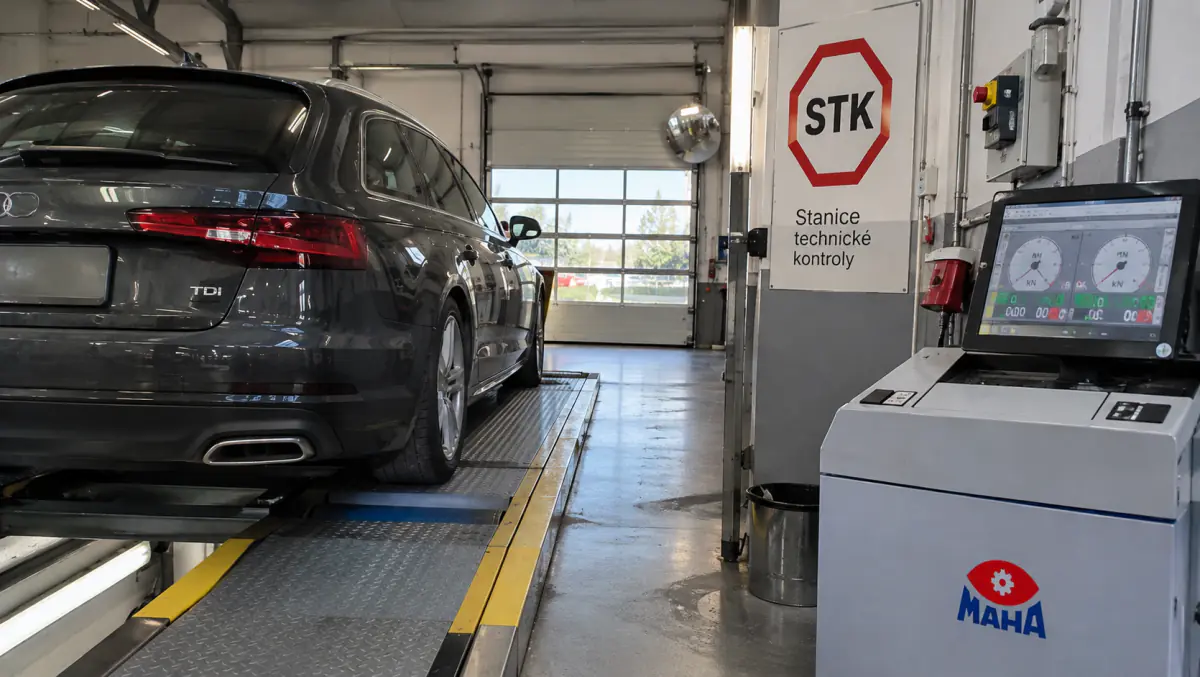
After transport the car goes through a technical inspection and a registration inspection at an inspection station. You then take out compulsory liability insurance and file the registration application at the relevant transport office. The office enters the vehicle in the register and issues the licence plates and the registration certificate (Part I and II). We handle the whole process for you under power of attorney, in Prague and across the Czech Republic, so you do not have to queue.
How much does registering a car from Germany cost and how long does it take
Our registration service starts at the amount shown in the price list, and we confirm the final price after checking your documents. Official fees and inspection station fees are added, and transport and insurance where applicable. The price of the car itself is not part of our service.
The time depends on how complete the documents are, on the inspection dates and on how busy the office is. With complete documents it usually takes days to a few weeks. We give a more precise timeline after the first assessment.
Why entrust your German car import to Dr. Motors
Registering EU cars is our everyday work. We represent you at the authorities, arrange the MOT and insurance as a registered tied agent and, if needed, bring the car on our own car transporter. You have one partner from checking the listing to collecting the plates. Write or call us and we will advise you free of charge.